

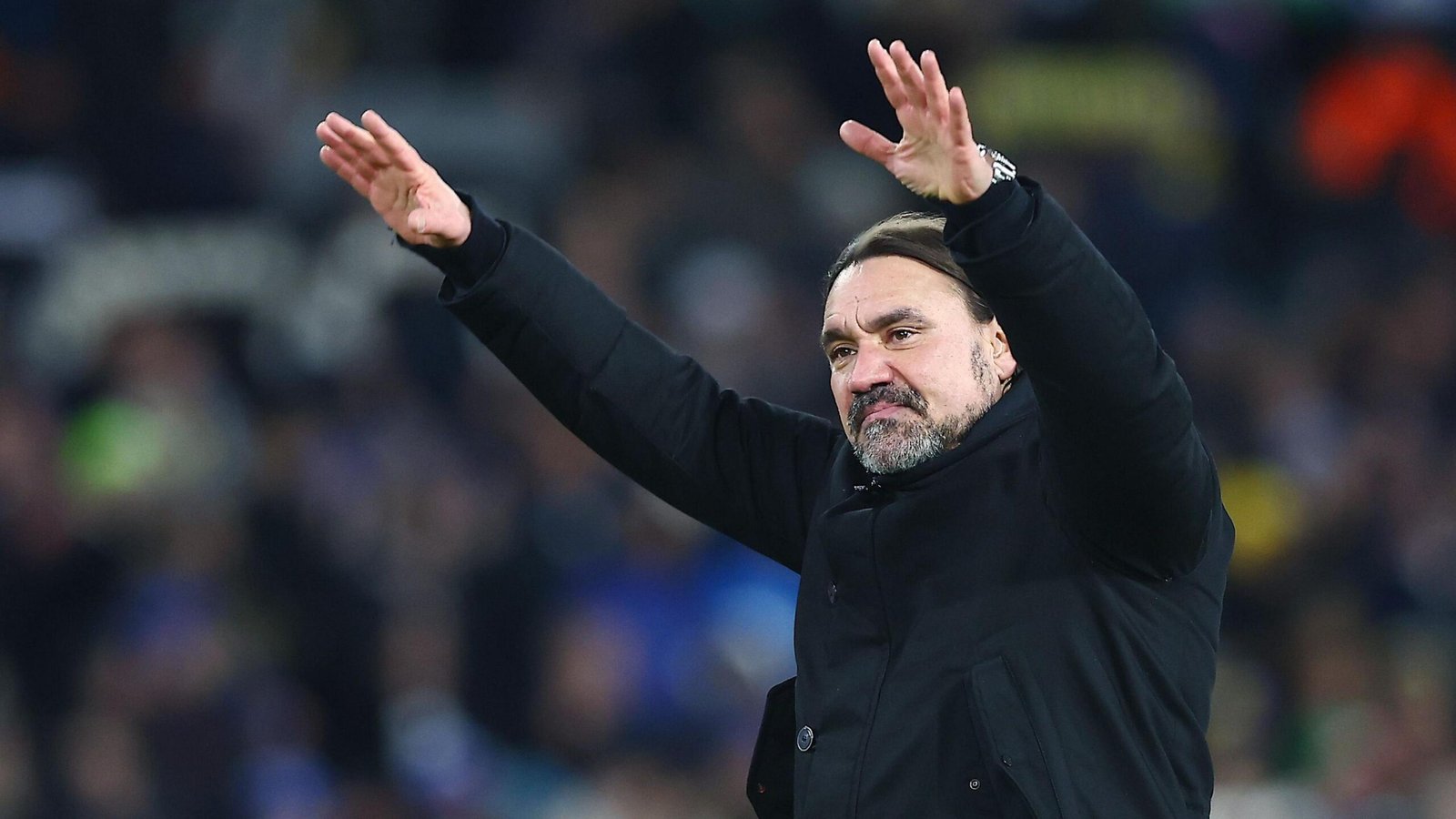
At Leeds United F.C., the transition from the previous tactical approach to Daniel Farke’s evolving football philosophy has sparked major discussion among supporters. Many expected an immediate transformation, but what has truly changed on the pitch? A closer statistical comparison reveals the real progress within the squad.
Under the earlier system, Leeds often relied on aggressive pressing, direct attacking football, and fast transitions. The team frequently played with intensity and physicality, but at times lacked composure in possession. While this approach created moments of excitement, performances were often inconsistent, and matches regularly depended on individual brilliance from key players rather than controlled team play.
Since Daniel Farke took greater control of the tactical direction, a more structured identity has emerged. Leeds now focus more on possession-based football, patient build-up play, and improved movement in midfield. The passing accuracy across the squad has increased noticeably, particularly among the central midfielders, showing the team’s desire to dictate matches rather than simply react to opponents. Statistically, Leeds are creating more organized attacking opportunities and committing more players forward during sustained attacks.
Several players have benefited from this tactical evolution. Creative midfielders are seeing more involvement in buildup phases, while attacking players are receiving the ball in more dangerous areas. Younger members of the squad also appear to have gained greater confidence under Farke’s management, with the coach encouraging freedom, technical quality, and intelligent movement.
Defensively, however, the system still carries certain risks. Leeds press higher up the pitch and attempt to recover possession earlier, which can occasionally leave gaps behind the defensive line. Opponents have managed to exploit these spaces in some matches, leading to periods of instability despite the team’s overall improvement in control and attacking fluidity.
Perhaps the most significant transformation has been psychological. The squad appears calmer in possession, more confident in difficult moments, and tactically more flexible. Even when results fluctuate, the overall playing style now reflects a clearer long-term vision.
In summary, Leeds United F.C. are evolving from a high-intensity, reactive side into a more balanced and possession-oriented team under Daniel Farke. The statistics highlight a visible tactical shift, but whether it leads to sustained long-term success will depend on consistency, defensive balance, and the continued development of the players within the system.

Related Posts
Add A Comment