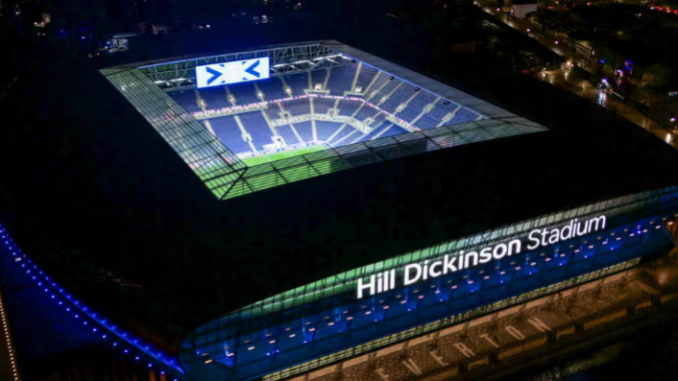
Everton Ordered to Pay Burnley Nearly £40m in Major Relegation Legal Battle
Everton have been dealt a significant financial setback after being ordered to pay Burnley close to £40 million following a long-running legal dispute linked to the Premier League’s financial regulations and relegation battle.
The case stems from Everton’s breaches of the Premier League’s Profit and Sustainability Rules (PSR), which became one of the biggest talking points in English football over the past few seasons. Burnley argued that Everton gained an unfair sporting advantage by exceeding spending limits, ultimately impacting the competitive balance of the league and contributing to Burnley’s relegation from the Premier League.
Following extensive legal proceedings, an independent panel reportedly ruled in Burnley’s favour, awarding substantial compensation to the Lancashire club. The payout is believed to be one of the largest settlements connected to a football financial regulation dispute and highlights the growing consequences clubs face for breaching league rules.
For Everton, the ruling adds another challenge during a period of transition. The Toffees have already faced points deductions, financial scrutiny, and ongoing efforts to stabilise the club both on and off the pitch. A payment approaching £40 million could affect future transfer plans and budget allocations as the club seeks to build a competitive squad.
Burnley, meanwhile, view the outcome as a vindication of their stance throughout the process. Club officials have consistently maintained that financial rule breaches can have serious consequences for rival teams fighting for survival, and they welcomed the decision as an important precedent for the integrity of the competition.
- The verdict is expected to reignite debate across English football about the effectiveness of financial regulations and the penalties imposed on clubs that fail to comply. With financial fair play and sustainability rules under increasing scrutiny, the case could influence how similar disputes are handled in the future.
Leave a Reply